


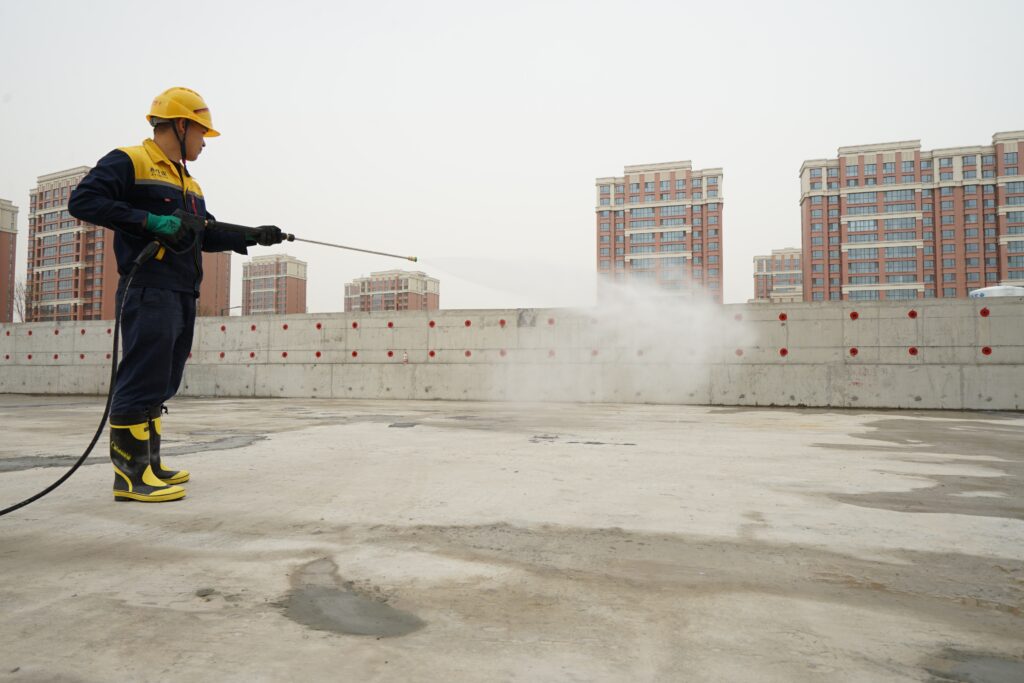
The durability of any building begins underground. Waterproofing of buried structures is not merely a technical requirement, but a critical measure to protect the integrity of the building against the constant degradation caused by direct contact with the ground. When we talk about waterproofing concrete in below-ground elements, we face challenges such as rising damp and attack by mineral salts, factors that can compromise the reinforcing steel if not managed with a suitable system.
Implementing robust foundation waterproofing ensures that the base of the project remains dry and stable. By 2026, building regulations will require these processes to be preventative, using materials that are structurally integrated to prevent premature ageing of the concrete, allowing the structure to withstand the test of time without the need for costly interventions.
Waterproofing of underground structures based on the molecular restructuring of concrete
One of the most powerful innovations today is the use of foundation waterproofing that works at a molecular level. Unlike traditional membranes, which can be punctured, these crystallisation systems react with moisture to seal the pores and micro-cracks in the material. This technique is vital for waterproofing buried structures, as it transforms the concrete itself into an active, impenetrable barrier, even under extreme pressure.
When waterproofing underground basements, this technology offers a competitive advantage: the ability to self-repair. If new cracks appear due to ground settlement, the active components are reactivated to seal them, ensuring that the concrete waterproofing is dynamic and long-lasting, drastically reducing future maintenance costs.
How proper insulation and waterproofing improve the durability and performance of underground structures
The thermal and structural performance of a building is closely linked to the waterproofing of basements. An underground space that suffers from water ingress not only causes environmental health problems, but also weakens the load-bearing capacity of the concrete. In complex cases of basement waterproofing at the water table, where water exerts constant pressure, it is essential to use systems designed to withstand both negative and positive hydrostatic pressure.
The combination of effective foundation waterproofing and good drainage allows the structure to ‘breathe’ without allowing liquid water to enter. This is essential for foundation waterproofing, as it optimises the building’s hygrothermal performance. Ultimately, investing in waterproofing underground basements with advanced technical solutions is the best strategy for maximising the service life and safety of any modern infrastructure.