


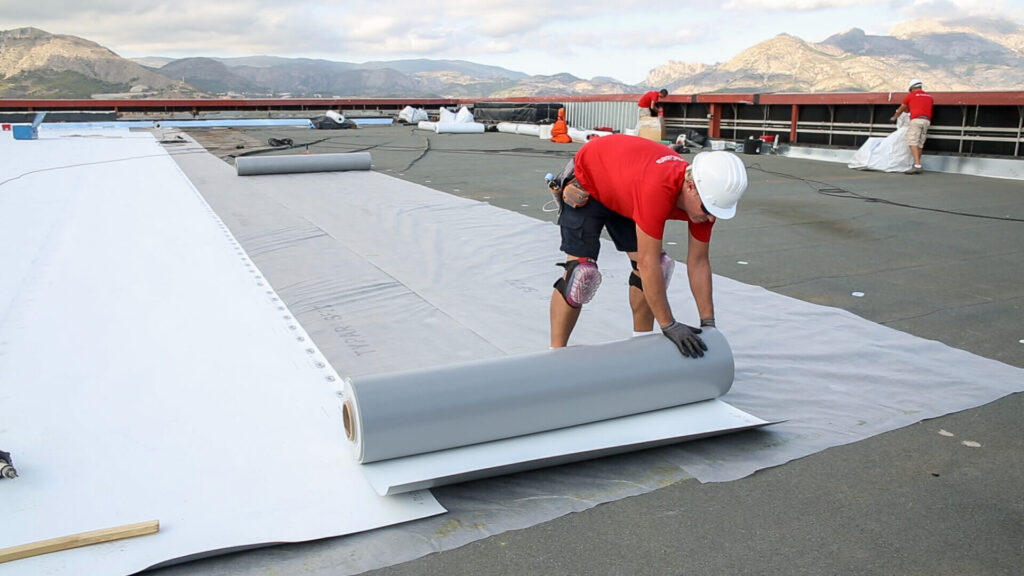
Thermal insulation is defined as a high-resistance barrier that prevents the flow of heat between two environments. In modern construction, this element is inseparable from roof waterproofing. At Tecafil, we understand that energy efficiency and watertightness must go hand in hand. That is why we combine the use of advanced insulation materials with our nanotechnology-based concrete molecular restructuring technology, creating systems that not only insulate but also protect the structure from within.
Unlike methods that merely apply surface layers, Tecafil’s approach uses nanotechnology to seal the porosity of the concrete substrate before integrating the insulation systems. This is vital for combating damp, which is the main source of complaints in today’s homes. By thermally stabilising the surface, we reduce material fatigue caused by expansion and contraction, ensuring a much longer service life for the entire building structure.
Key components: Extruded polystyrene (XPS) and molecular protection
One of the most effective materials for waterproofing terraces whilst providing insulation is extruded polystyrene (XPS). This material is durable, water-resistant and offers high mechanical performance. In an inverted roof system, XPS is laid over the substrate treated with Tecafil, protecting the waterproofing membrane and enhancing the durability of the overall system. Its low thermal conductivity (between 0.033 and 0.036 W/mK) makes it the perfect choice for energy efficiency.
By using XPS boards with an L-shaped tongue-and-groove finish, at Tecafil we guarantee the continuity of the insulation, eliminating thermal bridges. This system is suitable for both accessible and green roofs, allowing easy access for maintenance. The synergy between the mechanical strength of the XPS (up to 700 kPa) and the molecularly restructured concrete base offers redundant protection: even if the insulation were subjected to extreme external stresses, the roof base remains water-repellent and unaffected.
Types of systems: Sprayed polyurethane and applied nanotechnology
Another key system used in roof waterproofing is rigid polyurethane (PUR) foam sprayed on site. This thermosetting synthetic material is produced by mixing polyol and isocyanate, creating a uniform and resistant cellular structure. Its major advantage is its continuous application, which allows it to adapt to any geometry and fully control thermal bridges with extremely low thermal conductivity (0.028 W/m•K).
Although polyurethane offers a certain degree of waterproofing and allows for breathability, its effectiveness compared to concrete waterproofing using nanotechnology is greatly enhanced when the concrete substrate has been treated at a molecular level to repel water. This system is ideal for industrial and residential refurbishments, as it offers sound insulation, compressive strength and a completely watertight finish that permanently eliminates damp in garages and upper floors.
Thermal insulation is a key component in any modern building, particularly in structures with flat roofs. Unlike traditional systems, a well-designed flat roof must not only manage water drainage but also drastically reduce energy exchange with the outside environment. Installing efficient roof insulation helps maintain a stable indoor temperature, improving comfort and reducing heating and cooling costs throughout the year.
In comprehensive projects, it is common for specialist firms to seek solutions that allow for both roof insulation and terrace waterproofing to be carried out simultaneously. This combination ensures that the structure is protected from both adverse weather conditions and extreme temperature fluctuations that can cause cracks in the concrete. By utilising cutting-edge technologies, the system acts as a protective blanket that extends the service life of the building materials.
Roof insulation
Installing roof insulation is the most effective way to combat high summer temperatures, preventing solar radiation from overheating the structural slab. Depending on the roof design, you can opt for a traditional or inverted configuration, where the insulation is placed over the waterproofing layer to provide mechanical protection. This approach ensures that the thermal insulation fulfils its function without being compromised by external moisture.
For optimal results, many renovation projects consider the option of insulating the roof from the inside when it is not possible to work on the exterior. However, working from above remains the most recommended approach for flat roofs to eliminate thermal bridges. Using concrete waterproofing for roofs based on nanotechnology helps to ensure the surface is durable and retains its insulating properties over time and under mechanical loads.
Waterproofing agent
There is a close relationship between roof insulation and the waterproofing system; both must work in perfect harmony. When insulating the roof and waterproofing the terrace, a multi-layered barrier is created that prevents the passage of water and heat. The use of liquid membranes or technical sheets over the insulation ensures watertightness, but not complete waterproofing; waterproofing concrete using nanotechnology ensures that it is completely sealed, preventing leaks from degrading the system’s insulating capacity and causing structural damage.
It is vital that the system is installed by professionals who understand the importance of sealing every joint correctly. Only through precise installation that successfully insulates the roof and waterproofs the terrace using compatible materials can an energy-efficient building be guaranteed, free from problems related to damp and excessive heat.